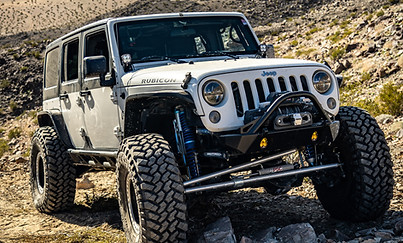
Clutches & Flywheels
Whether your clutch is slipping on the highway or you want better control through a rocky trail, Uncharted Offroad can help. We diagnose clutch and flywheel concerns, perform repairs and replacements, and install upgrades suited to your vehicle and driving needs.
For manual-transmission Jeeps, trucks, SUVs, and other vehicles, we help you explore options ranging from replacement components to Centerforce clutch systems and high-inertia flywheels for compatible applications.
Clutch & Flywheel Diagnosis
Changes in clutch engagement, pedal feel, or shifting can make your vehicle frustrating to drive. Understanding the cause is the first step toward choosing the right repair.
Common concerns include:
-
Engine RPM increasing without a matching increase in vehicle speed.
-
Shuddering or chatter when taking off.
-
Difficulty engaging gears or releasing the clutch.
-
Unusual noises when pressing or releasing the pedal.
-
A changing engagement point or inconsistent pedal feel.
These symptoms can involve the clutch assembly, flywheel, release mechanism, hydraulic system, or related drivetrain components. We assess the symptoms and explain what we find before recommending work.
You’ll have a clearer understanding of the issue and the options that fit your vehicle, budget, and intended use.
Centerforce Clutch Installation
Centerforce is based right here in Prescott, Arizona, and manufactures performance clutch and flywheel systems for a range of vehicles.
We help customers select compatible Centerforce components with attention to holding capacity, engagement characteristics, pedal effort, and everyday drivability. Depending on the application, options may include:
Centerforce II
Clutch systems designed for selected off-road, towing, and street applications, with increased clamping capacity and an emphasis on manageable pedal effort.
Centerforce Dual Friction
Matched clutch-disc and pressure-plate combinations designed to provide increased holding capacity while maintaining drivability.
Centerforce high-inertia flywheels
Flywheel options for select 4x4 applications that help maintain engine speed as the vehicle encounters changing loads on rough terrain.
We consider your engine, transmission, tire size, gearing, and vehicle weight when recommending a combination.
Why a High-Inertia Flywheel Can Help Off-Road
When you’re easing through a rock garden or climbing over an obstacle, maintaining steady engine speed can make the vehicle easier to manage.
A high-inertia flywheel stores more rotational energy at a given engine speed. That energy helps resist sudden drops in RPM as the drivetrain encounters additional load, reducing the tendency to stall during low-speed maneuvering.
For a compatible off-road vehicle, the benefits can include:
-
Better resistance to stalling while negotiating rocks, ruts, and uneven terrain.
-
More consistent engine speed as the load changes.
-
More manageable low-speed operation on technical trails.
This can be useful when exploring the backcountry, picking your way through a difficult section, or driving a loaded vehicle over rough ground.
Added inertia also makes engine speed change more gradually. We’ll discuss that tradeoff alongside your gearing and driving habits to determine whether the setup suits your vehicle.
Clutch Upgrades for Oversized Tires
Larger tires change your vehicle’s effective gearing. With the original axle ratios, getting moving can become more demanding, particularly on an incline or with camping equipment, armor, and other added weight.
If takeoffs require more clutch slipping, additional heat and wear can follow.
A properly selected clutch upgrade can provide greater torque-holding capacity and friction components suited to more demanding use. Matching the clutch to the build helps it transfer engine power while maintaining the engagement characteristics you need for both traffic and trail driving.
Gearing remains part of the conversation. An upgraded clutch does not correct an axle ratio that is poorly matched to your tires. We can evaluate clutch selection, flywheel characteristics, and re-gearing together when planning your drivetrain.
Clutch Replacement & Flywheel Service
We approach clutch work as a complete system. Along with the clutch disc and pressure plate, we assess the flywheel and relevant release components for wear, damage, or conditions that could affect the repair.
Depending on the findings, the proposed work may include:
-
Clutch-disc and pressure-plate replacement.
-
Flywheel inspection and replacement.
-
Flywheel resurfacing when permitted by the applicable specifications.
-
Release-bearing and pilot-bearing or bushing replacement.
-
Repairs to clutch hydraulics or release components.
-
Addressing leaks or contamination affecting clutch operation.
Some flywheels can be resurfaced within specification; others require replacement. We explain the appropriate approach for your vehicle and selected clutch.
A Setup That Fits Your Driving Needs
A daily driver, a loaded backcountry vehicle, and a dedicated trail rig place different demands on their clutches.
We start by asking how you use the vehicle and what you want to improve. That includes current symptoms, engine modifications, tire size, gearing, vehicle weight, and the balance between highway and off-road driving.
From there, we explain the compatible options, expected driving characteristics, and supporting work involved. Your estimate outlines the proposed parts and labor before you move forward.
After installation, we review the applicable break-in and maintenance requirements so you understand how to care for the new components.
Clutch & Flywheel FAQs
How much does clutch or flywheel replacement cost?
Cost depends on your vehicle, access requirements, selected components, and any related repairs needed. Flywheel condition and the condition of the release system can also affect the total. Contact us with your vehicle details and symptoms for an assessment.
Do larger tires automatically mean I need an upgraded clutch?
Not necessarily. Tire size is one factor alongside engine output, gearing, vehicle weight, existing clutch condition, and driving habits. We help you determine whether a replacement clutch, an upgrade, gearing changes, or a combination makes sense.
Will a high-inertia flywheel increase horsepower?
No. It changes how the rotating assembly stores energy and responds to changing loads. Its off-road benefit is helping maintain engine speed and reduce low-RPM stalling, rather than increasing engine horsepower.
Will a performance clutch make the pedal harder to press?
Pedal effort depends on the clutch design and release system. Some performance clutches provide additional holding capacity while retaining manageable pedal effort. We explain the expected characteristics of the specific system being considered.
Do I need a new flywheel whenever I replace the clutch?
Not always. The decision depends on its condition, design, and the clutch manufacturer’s installation requirements. We assess whether resurfacing is permitted and appropriate or whether replacement is needed.
Is there a break-in period after installing a new clutch?
Yes, many clutch systems require a specific break-in procedure before demanding use. We explain the instructions for your installed components, including when to resume towing or more demanding off-road driving.
Let’s Get Your Drivetrain Ready
Dealing with clutch slip, difficult shifting, or inconsistent engagement? Planning larger tires or looking for more manageable low-speed trail performance?
Talk with Uncharted Offroad about clutch repair, Centerforce upgrades, and flywheel options in Prescott. Tell us what you drive and what you want to improve, we’ll help you understand your options and plan the next step.

Have More Questions?
Have questions about servicing or upgrading your clutch system? Give us a call, send a message, or stop by our Prescott shop.